Image diagnoses for "Torso"
571 results with
2221 images
Results for Torso
Scabies nodosa B86.x
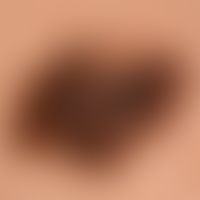
Melanoma superficial spreading C43.L
Melanoma malignant, superficially spreading: Exceptionally large, 6.0x4.0 cm in diameter, malignant melanoma of the SSM type with a nodular part.

Tyrosine kinase inhibitors
Tyrosine kinase inhibitors: UAW: acne-like, follicular, pustular exanthema
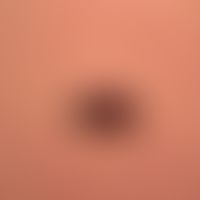
Melanoma nodular C43.L
Melanoma, malignant, nodular. Malignant melanoma of the primary nodular type. In the last months area and thickness growth. Has repeatedly oozed and bled. Asymmetrical, irregularly limited, clearly raised, dark brown-black ulcerated node with plaque-like base.
Candle syndrome E88.1
CANDLE syndrome: recurrent multiform exanthema with anular (circle) and erythema muldtiforme-like erythema/plaques (marked by square)


Adult dermatomyositis M33.1
Dermatomyositis adult: variable and inconsistent, multiple large blurred, red to red-violet erythema.
Nevus melanocytic (overview) D22.-
Usual melanocytic nevus. Brownish, roundish, 0.3 cm in diameter, sharply defined, soft, asymptomatic, smooth papule in the region of the right areola of a 26-year-old woman. No size growth in recent years.


Naevus melanocytic common D22.-
Nevus melanocytic more common: dermal nevoid melanocytes with monomorphic nucleus and only a few single nucleoli.
Nevus melanocytic (overview) D22.-
Nevus, melanocytic type: Dysplastic melanoytic nevus, growth in the last 6 months, asymmetry of the tumor and the different coloration should in this case lead to an excision and histopathological examination to exclude malignancy (malignant melanoma).



Lichen planus classic type L43.-
Lichen planus (classic type): for several months persistent, red, itchy, polygonal, partly confluent, red, smooth, shiny (in places anular) papules on the trunk. detail view.


Maculopapular cutaneous mastocytosis Q82.2
Urticaria pigmentosa, massive development of the clinical picture.

Psoriasis (Übersicht) L40.-
Psoriasis seborrhoeic type: Psoriasis with sharply defined, edge-emphasized, flat, hardly elevated, therapy-resistant, scaly plaques.
.jpg)



Contagious mollusc B08.1
Molluscum contagiosa: colourful picture with multiple, 0.2-0.3 cm large, yellowish, firm, shiny, sometimes itchy nodules; furthermore small scars and crusty, reddened papules (molluscs in spontaneous healing).

Keloid acne L73.0
Acne, keloid acne. stringy, coarse, brownish pigmented elevations in the chest area in a 24-year-old female patient on healed acne vulgaris. Medical history and clinic are pathognomonic.